Diagnostics & warning lights
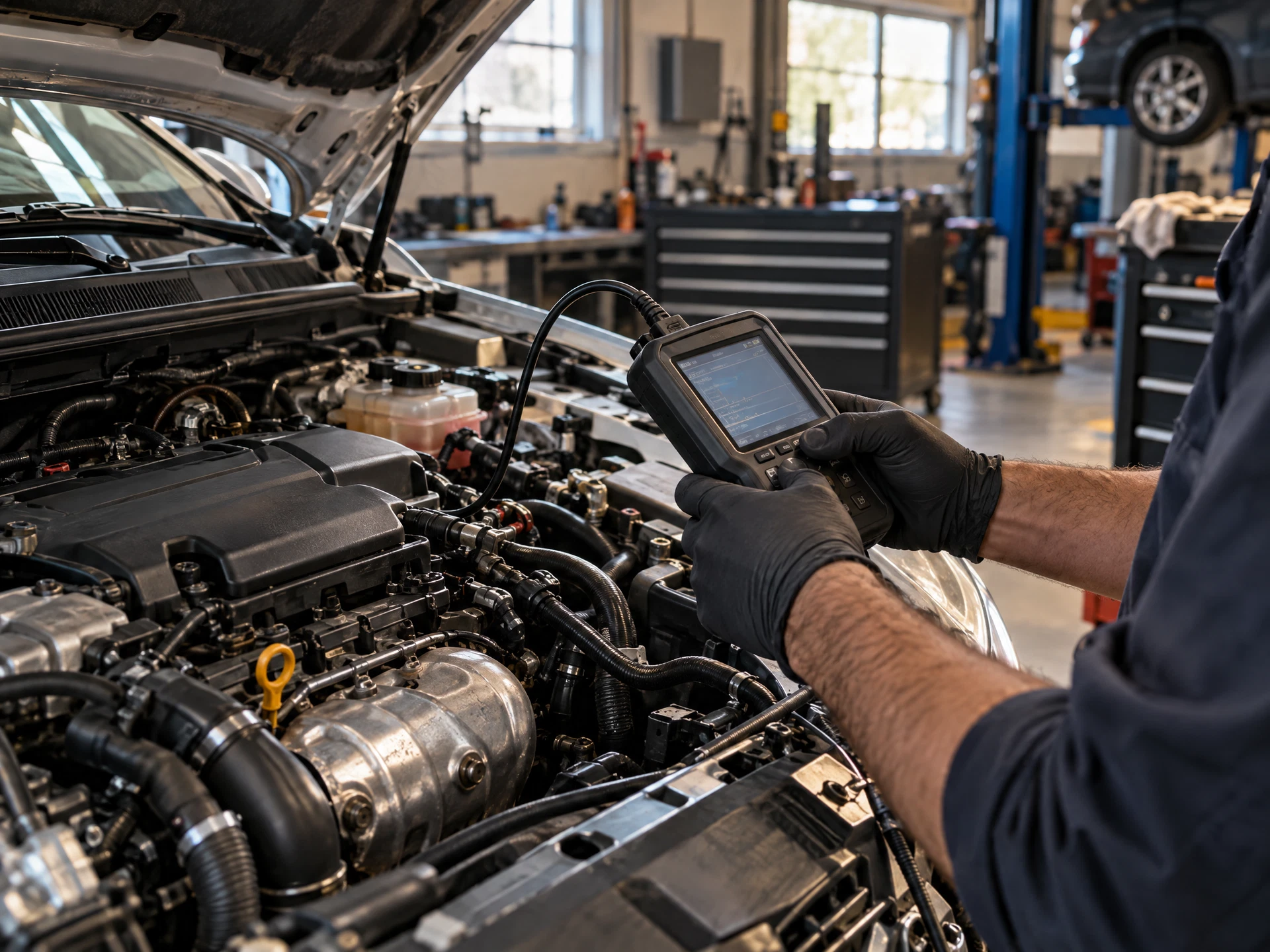
Read the signs, check the likely causes and work out what needs attention. A fault code is a clue—not the whole diagnosis.
 MEKAVANTAMECHANICAL

INDEPENDENT AUTOMOTIVE CARE
The right repair starts with a careful look, a clear explanation and a plan that makes sense for your car.
Listen first·Inspect properly·Explain your options
MK / 001UNDER THE BONNET & BEYOND
From a dashboard light to the service you’ve been meaning to book, understanding the issue is the first job.
Read the signs, check the likely causes and work out what needs attention. A fault code is a clue—not the whole diagnosis.
Engine, cooling, steering and driveline concerns all deserve a proper inspection before parts or promises.
These systems shape how your vehicle stops, steers and meets the road. Changes in feel or sound are worth checking promptly.
Use the schedule for your exact make and model to plan routine checks, fluids and wear items—without guesswork.
The right service depends on your vehicle, its history and what an inspection finds. Specific work should be confirmed by a qualified mechanic.
THE WAY A REPAIR SHOULD GO
A workshop visit should leave you better informed than when you arrived. Here’s a simple standard to look for wherever you go.
Describe what you’ve noticed. A technician should inspect the vehicle and explain what they find.
Ask what’s urgent, what can wait, and why. You should understand the options before work begins.
Confirm the work, parts and expected timing with the workshop before authorising a repair.
A FEW THINGS WORTH NOTICING
Every vehicle is different, but paying attention to changes can help you describe an issue clearly and get the right advice.
A new scrape, knock, squeal or vibration can be useful information. Note when it happens—starting, turning, braking or cruising.
Check your owner’s manual for the specific dashboard symbol. If a warning is red, flashing, or the vehicle feels unsafe, stop in a safe place and get qualified advice.
Service intervals and fluid requirements vary. Your vehicle handbook or manufacturer schedule is the best starting point.
General information only. Always follow your owner’s manual and advice from a qualified technician.
BEFORE YOU TURN THE KEY
A few details can help a mechanic reproduce a problem. Copy this checklist and fill in what you know before your next workshop visit.
You don’t need to diagnose it—just describe what you notice.
STRAIGHT ANSWERS
Not sure what to ask at the workshop? Start here.
Check your vehicle handbook for the exact symbol and instructions. If the warning is red, flashing, or accompanied by loss of power, unusual noise, overheating, or unsafe handling, stop somewhere safe and seek qualified help. Don’t rely on a generic description to diagnose your vehicle.
A code can point toward a system or symptom, but it does not always identify the failed part. Proper diagnosis may require inspection and testing. Ask the workshop what checks are included before authorising repairs.
Use the service schedule for your exact make, model and engine, and consider both time and distance travelled. Your owner’s manual or manufacturer guidance is more reliable than a one-size-fits-all interval.
For anything beyond an agreed inspection, ask for the finding, recommended work, price and urgency in terms you understand. Confirm what you want the workshop to proceed with before repairs begin.
THE SHORT VERSION